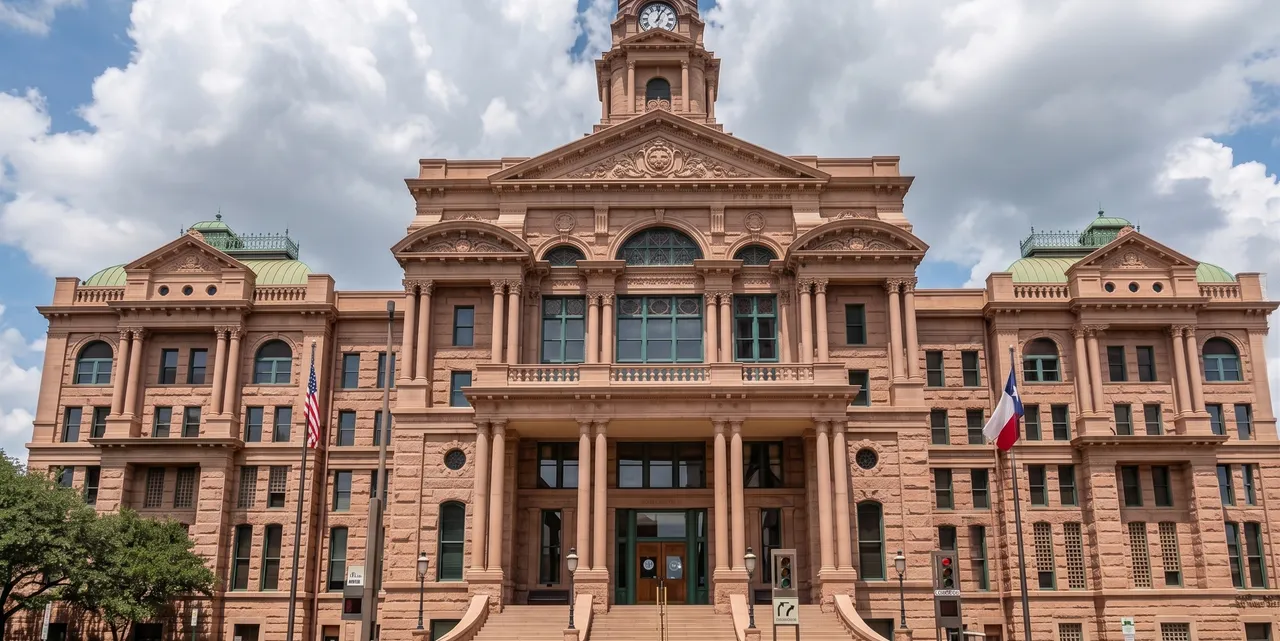

Tarrant County Courthouse in Fort Worth, Texas

Serving Fairmount · Tarrant County

Fairmount Probate Attorney

Kyle Robbins handles Fairmount probate in the Tarrant County courts, most of it remotely, with an office a few minutes west by the Trinity River and the Cultural District.

“Losing someone is hard enough. I handle the probate so your family does not have to carry it.”

Kyle Robbins, Esq.

Founder, Fort Worth Probate Attorney

Kyle Robbins, Fort Worth Probate Attorney serving Fairmount

Kyle Robbins, Esq.

Probate Attorney

  • Tarrant County’s 2 probate courts
  • Flat-fee pricing
  • Handled remotely
  • Free consultation
Get Probate Help Now
State Bar of Texas #24105719  ·  UT School of Law  ·  Avvo 10.0  ·  Thousands of probate cases

Probate Help

Need to Probate an Estate in Fairmount?

If you have lost a loved one and need to open probate, transfer a home, or settle an estate in Fairmount, we handle the entire process, mostly online and on a flat fee, so most families never set foot in the courthouse. Tell us what happened and we will explain exactly what applies and what it costs, at no charge.

Where Your Fairmount Probate Case Is Handled

Fairmount is the residential heart of Fort Worth’s Near Southside, just south of downtown, with Magnolia Avenue and its restaurants forming the neighborhood’s northern front door and Hemphill Street running down its eastern edge. For probate, the placement is simple: Fairmount is in Tarrant County, so your case is filed in the Tarrant County Probate Courts at 100 West Weatherford Street downtown, less than two miles north. Fort Worth Probate Attorney Kyle Robbins handles Fairmount cases in Tarrant County’s two statutory probate courts, and our office is only a few minutes west by the Trinity River.

Tarrant County has two probate courts, Probate Court No. 1 and Probate Court No. 2, and cases move on a predictable schedule when they are prepared correctly. One deadline to keep in mind: a will generally must be probated within four years of the date of death, so it is worth a quick call before that window closes.

An Original Fairmount Home Is Usually the Heart of the Estate

Fairmount is one of the largest historic districts in the Southwest, listed on the National Register of Historic Places, with more than a thousand contributing structures. It grew up as an early-twentieth-century streetcar suburb, and its blocks are defined by Craftsman bungalows with deep front porches, alongside Victorian, Prairie, and Tudor Revival homes. After decades of decline, Fairmount came back through an owner-led restoration movement, so today it is a mix of long-held original homes, careful restorations, and renovated houses.

That history shapes the probate work here. Many Fairmount estates center on a home an owner bought during the neighborhood’s quieter decades and held for forty, fifty, or more years, a home whose value has climbed as the neighborhood revived. A muniment of title can clear that home to the beneficiaries named in a will. An affidavit of heirship can establish the heirs when there was no will. And where a home has quietly passed through the family for generations without ever being probated, the title needs to be cleared before it can be sold or refinanced, which is a large part of what we do for near south side families.

Clearing Title on a Home the Market Wants

Fairmount is unusual among older neighborhoods because buyers and restorers actively want its homes. That is good for a family that plans to sell, but it puts a premium on getting probate right, because no sale closes until the estate can convey clean, insurable title. Where a home has been held informally across generations, or an earlier owner died without administration, an independent administration or an affidavit of heirship establishes the rightful heirs and clears the chain of title. We handle that groundwork so a Fairmount sale is not derailed at the closing table.

Why Not Just Hire a Firm on Magnolia?

The lawyer closest to you is not necessarily the right one. Tarrant County probate is handled downtown and, for most cases, over Zoom, so an office on Magnolia Avenue buys you nothing. What matters is how many of these cases the attorney has actually run in the Tarrant County probate courts, and whether the price is fixed before the work starts. We handle Fairmount probate remotely on a flat fee, so you know the full cost up front.

If you are just starting, or you have discovered an inherited Fairmount home was never properly probated, that is exactly the call to make. We will tell you what applies, what it costs, and what happens next, at no charge.

Kyle Robbins, probate attorney

Meet Kyle Robbins

Kyle Robbins is a Texas probate attorney and the founder of Robbins Estate Law. He earned his law degree with honors from the University of Texas School of Law, and his firm has guided thousands of Texas families through probate.

Kyle Robbins’ Fort Worth Probate practice exists because probate is its own discipline. It runs on the Texas Estates Code, on deadlines that begin at the date of death, and in Tarrant County’s statutory probate courts. This practice is limited to those matters, the ones that arise after someone has died. Planning work is handled separately at Robbins Estate Law, which is why probate is the only thing you will find here.

For Fairmount families, that means flat-fee pricing on uncontested matters and a process handled largely remotely, so most families never need to visit a courthouse. More about Kyle Robbins.

J.D., University of Texas School of Law  ·  State Bar of Texas #24105719  ·  Avvo 10.0  ·  Justia Lawyer

Fairmount Probate Questions

Generally no. Until the court appoints an executor or administrator, no one has the legal authority to pass clear title, so a Fairmount home cannot close before probate opens. But you are not stuck waiting: you can put the house under contract right away, and that signed contract becomes real leverage with the mortgage company.

Here is how we move a Fairmount sale forward:

  • Get multiple cash offers within 24 hours and go under contract as-is, then show that contract to the mortgage servicer.
  • Once the court issues Letters Testamentary or Letters of Administration, usually within a few weeks, an independent executor can sign the closing documents and sell, without waiting for the full estate to close.
  • Cover the mortgage in the meantime: keep paying it (reimbursed from the sale proceeds at closing) or request a short forbearance, backed by the death certificate, the Letters, and the signed contract.
  • At closing, the lender is paid its payoff first and the remaining equity flows to the estate.

The one thing not to do is go quiet on the lender. We coordinate the court, the lender, and the sale so nothing slips into default.

Fairmount is part of Fort Worth, in Tarrant County, so your case is filed in the Tarrant County Probate Courts at 100 West Weatherford Street downtown, either Probate Court No. 1 or Probate Court No. 2. Texas files probate in the county where your loved one legally lived, and for a Fairmount resident that is Tarrant County.
This is the most common Fairmount probate. When the owner of a long-held bungalow passes, that home is usually the main asset. If there is a valid will and few debts, a muniment of title can transfer it to the beneficiaries without a full administration. If there is no will, an affidavit of heirship establishes the legal heirs so the home can be sold or kept in the family.
It is one of the most common issues in an old neighborhood like Fairmount, and it is fixable. When a home changes hands within a family across generations without probate, the title stays in a deceased person's name and later owners hold what Texas calls heir property. That clouds the title, and no title company will insure a sale or refinance until it is cleared. An affidavit of heirship or an independent administration establishes the rightful heirs and clears the chain of title. The sooner it is addressed, the fewer heirs and complications there are to track down.
Fairmount has an active market of buyers and restorers, but a home cannot close until the estate can convey clean, insurable title. That means probate has to establish who legally owns the property. Depending on the estate, that is often a muniment of title or an affidavit of heirship, both of which are faster than a full administration. We can tell you which one fits and roughly how long it takes so you can plan the sale around it.
Without a will, Texas intestacy law decides who inherits, and the way to establish that in Tarrant County is usually an affidavit of heirship or an independent administration, depending on the family. The home cannot be sold or refinanced until ownership is legally established, so this is worth handling promptly rather than letting it sit.
You do not need a lawyer with an office on Magnolia Avenue. Probate runs on one statewide code, and the Tarrant County courts accept Zoom hearings and electronic filings, so we handle Fairmount cases remotely on a flat fee. What matters is how many of these cases the attorney has actually run and whether the price is fixed before the work starts. Our office is only a few minutes west when you would rather meet in person.
Generally yes. A will usually must be admitted to probate within four years of the date of death. After that, your options narrow and the estate may pass under intestacy rules instead. For a home that has been in one family since before the neighborhood's revival, that clock is easy to overlook, so call before the window closes.
It depends on the type of case, but we work on transparent flat fees for most probate matters, so you know the full cost before we begin. Court filing fees are separate. Call for current pricing and a free consultation.

Talk to a Tarrant County Probate Attorney

Free consultation, no obligation. Most Fairmount probate matters are handled remotely, so you may never need to visit a courthouse.

By submitting this form, you agree to be contacted about your probate matter.

Submission of this form does not establish an attorney-client relationship. Information submitted is not privileged or confidential.

Attorney Advertising. The information on this page is for general informational purposes and does not constitute legal advice. Every case is unique, contact us for guidance specific to your situation. Past results do not guarantee future outcomes.

Call (817) 225-7116 Get Help Now